
Over 8 years of experience as a project manager, I’ve had the opportunity to work with numerous developers and observe a common challenge they face when estimating development hours for website projects. Many developers experience doubt and hesitation while providing estimates because they often lack awareness of what needs to be considered within the project scope while estimating the project. Consequently, they struggle to break down the entire project into micro tasks.
In this article, I will share valuable insights on how developers can provide more accurate estimates for website development projects. By making sure the essential elements of website are not missed and adopting the practice of break down of project, you can enhance your estimation skills and improve project outcomes.
Building a Comprehensive Scope of Work for Estimation
Although your project manager is typically responsible for creating a scope of work (SOW) document and providing it to you, there are instances where important default templates and functionalities are overlooked. Usually, the SOW document provided by the client or project manager only includes a list of required features and functionalities for the website. However, there are additional pages and features that are considered standard for all website development projects, such as the 404 error page, search results page, and default policy page.
Developers often focus solely on the features and functionalities explicitly mentioned in the SOW document when providing estimates. As a result, they tend to overlook the effort required for the default templates and functionalities. Although these elements may seem minor compared to the overall project, their omission can lead to delays in project delivery.
To mitigate this issue, all developers should maintain a list of standard templates and features for different types of website builds. By comparing this list with the client-provided scope of work, you can ensure that nothing essential is missed. If any default templates or functionalities are omitted, it is crucial to highlight the additional effort required to implement them and communicate this to the client or project manager. This approach fosters better communication and enables more accurate timeline projections for the project’s delivery.
For further insights into default templates and scope of work for various website builds such as Business, eCommerce, Event, Learning Management System (LMS), Membership, Nonprofit/Donation, Directory, and Forum/Community, refer to the comprehensive guide available here.
Breaking Down Features and Functionalities into Micro Tasks
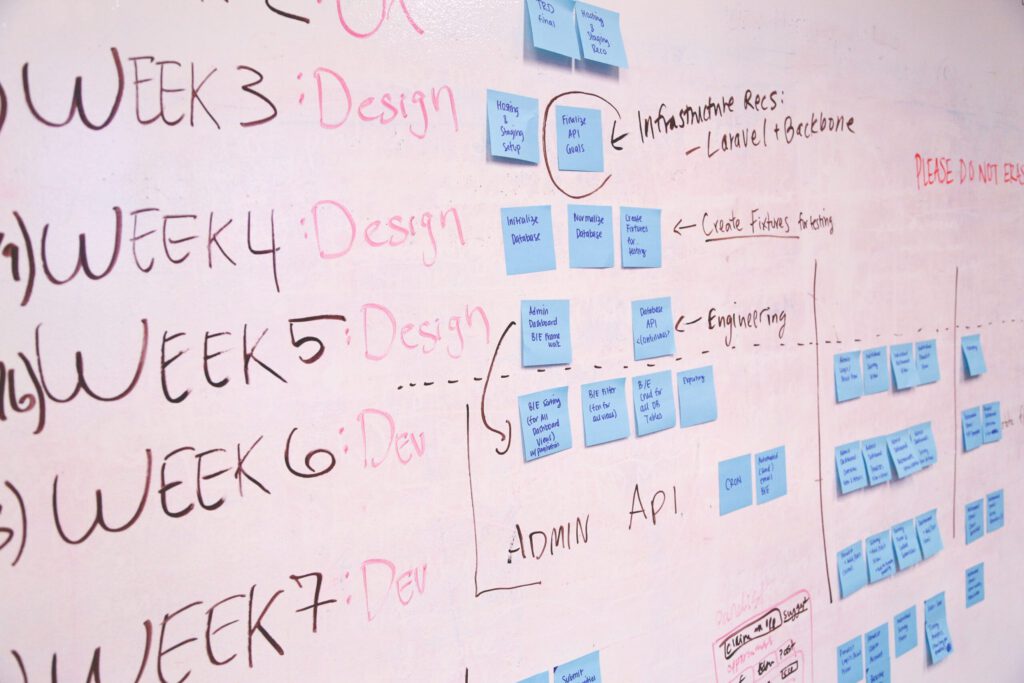
Another vital aspect that developers often overlook when estimating projects is breaking down the work into micro tasks. This step is particularly crucial when you are initially providing time estimates. The more granular the breakdown of the entire project into micro tasks, the clearer the development execution becomes, resulting in more accurate estimates. It is easier to estimate timelines for smaller chunks of functionalities and development rather than estimating the entire project at once.
The extent to which you break down the project into micro tasks is entirely up to you as a developer. As long as you have confidence in providing accurate estimates for these tasks, there is no need for further breakdown. Additionally, breaking down the tasks enables effective resource allocation within your development team. Junior developers can be assigned specific micro tasks with better clarity, leading to enhanced collaboration and a clearer understanding of the overall project functionality.
Furthermore, the breakdown of the project assists project managers in planning the timeline effectively. They gain a better understanding of which modules or tasks can be accomplished on a daily basis, enabling them to track the project’s progress in real-time rather than identifying delays after a week. This proactive approach ensures that the development remains on track throughout the project’s lifecycle.
A Personal Success Story
I have personally implemented these practices within my own team, and the results have been remarkable. By breaking down projects into micro tasks and adopting a more granular approach to estimation, we have experienced improved accuracy in our estimates, more realistic timelines, and timely project delivery. This shift from milestone-based progress tracking to a task-oriented methodology has been instrumental in our success.
Including Buffer Time for Testing and Bug Fixing
In addition to estimating development time, it is essential to remember to allocate buffer time for testing and bug fixing within the overall project timeline and delivery commitment. However, it is crucial not to add multiple buffers. Sometimes project managers may already account for buffer time on their end. Clear communication between the development team and project managers is vital to ensure that buffer times are not considered twice, avoiding unnecessary delays.
Download a FREE, customizable estimate sheet template!
I’ve prepared an exclusive template to assist you in generating precise estimates for your website development projects. This template, crafted by me, serves as a powerful starting point for your estimation process. It’s designed to be flexible, allowing you to tailor it according to your specific project requirements.
Implementing the practices outlined in this article will significantly enhance your ability to provide accurate estimates and confidently prepare timelines for website development projects. By establishing a comprehensive scope of work, breaking down features and functionalities into micro tasks, and ensuring effective communication between the development team and project managers, you will achieve better outcomes and exceed client expectations.
Remember, accurate estimates and well-planned timelines are the cornerstones of successful project execution. As you adopt these best practices, you’ll see a notable improvement in your estimation skills and project management abilities, leading to increased client satisfaction and professional growth.