March 7, 2024 · darshan
What are AI Models: The Engines Powering Intelligent Systems
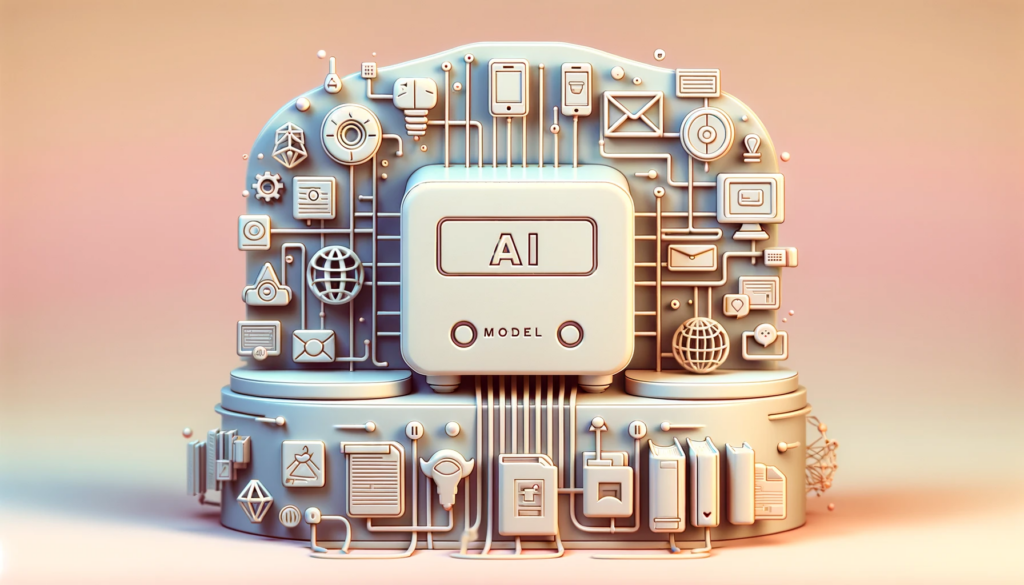
Welcome back to our series on Artificial Intelligence! Having explored the basics of AI and its building blocks, let’s dive into the fascinating world of AI models and Large Language Models (LLMs), the engines driving today’s AI revolution.
AI models, short for artificial intelligence models, are essentially programs or algorithms trained on data to perform specific tasks. They act as digital “experts” in their chosen field, able to make predictions, decisions, and even generate creative outputs based on the information they’ve been trained on.
In today’s rapidly evolving technological landscape, the term “artificial intelligence” (AI) is frequently encountered. But what lies beneath the surface of this buzzword? Enter AI models, the true workhorses powering the intelligent systems we interact with daily. Essentially, they are computer programs meticulously trained on data to excel in specific tasks. Imagine them as digital experts, equipped with the knowledge and skills to make informed predictions, decisions, and even generate creative outputs based on their training.
Learning and Evolving: The Core of AI Models
Unlike traditional programs with pre-defined instructions, AI models boast the remarkable ability to learn and evolve through data analysis. This data, encompassing text, images, videos, code, and other relevant information, serves as the fuel for their learning engine. By delving into this data, AI models uncover hidden patterns and relationships. This newfound knowledge empowers them to make predictions about new, unseen data, a capability that fuels their practical applications.
A Spectrum of Capabilities: What AI Models Can Do
The functionalities of AI models are as diverse as the applications they power. Here’s a glimpse into their repertoire:
- Classification: AI models excel at categorizing new data points. For instance, they can effortlessly identify spam emails, filtering them out of your inbox.
- Regression: Predicting numerical values is another forte of AI models. Imagine them forecasting stock prices or estimating future sales figures, aiding informed decision-making in various sectors.
- Generation: AI models can even create new content, pushing the boundaries of creativity. From composing captivating poems and generating realistic images to crafting compelling marketing copy, their potential in this domain is constantly expanding.
Delving Deeper: Exploring Different Types of AI Models
The world of AI models is a rich tapestry woven from various types, each with its unique learning approach:
- Machine Learning Models: These models, as the name suggests, learn from data without explicit programming. They can be further categorized based on their learning style:
- Supervised Learning: Imagine a student diligently studying with labeled examples. Similarly, supervised learning models require labeled data with desired outputs (e.g., identifying cats in images).
- Unsupervised Learning: This approach is akin to exploring uncharted territory. Unsupervised learning models find patterns in unlabeled data, uncovering hidden insights without predefined categories (e.g., clustering customers based on their purchase history).
- Reinforcement Learning: This method resembles learning through trial and error. Reinforcement learning models receive rewards for desired behavior, progressively refining their skills through continuous interaction with their environment (e.g., training AI agents to play games).
- Deep Learning Models: Inspired by the intricate structure and function of the human brain, deep learning models utilize artificial neural networks to learn complex relationships within data. Imagine them as intricate networks of interconnected nodes, mimicking the human brain’s processing capabilities.
- Large Language Models (LLMs): A specialized subset of deep learning models, LLMs are trained on massive amounts of text data. This empowers them to excel in tasks like generating human-quality text, translating languages with remarkable accuracy, and providing informative answers to your questions.
Transforming Industries: The Impact of AI Models
The influence of AI models permeates various sectors, revolutionizing the way we work and live. Here are a few prominent examples:
- Healthcare: AI models are assisting in diagnosing diseases, predicting patient outcomes, and even developing personalized treatment plans, ultimately contributing to improved healthcare delivery.
- Finance: Detecting fraudulent activities, managing financial risks, and providing personalized financial advice are just a few ways AI models are transforming the financial landscape.
- Retail: From recommending products based on your preferences to optimizing pricing strategies and personalizing customer experiences, AI models are redefining the retail industry.
- Manufacturing: Predicting equipment failures, optimizing production processes, and ensuring quality control are areas where AI models are making significant contributions in the manufacturing sector.
- Transportation: The development of self-driving cars, optimizing traffic flow, and predicting travel demand are a testament to the transformative potential of AI models in the transportation industry.
A Look Forward: Responsible Development and Ethical Considerations
While AI models offer immense potential to enhance our lives, it’s crucial to acknowledge their limitations and the ethical considerations surrounding their development and deployment. Biases within the training data can lead to biased outputs, highlighting the importance of responsible data collection and utilization practices. As AI technology continues to evolve, transparency and accountability remain key aspects to ensure its ethical and beneficial application
In our journey, we’ve seen AI evolve from a simple concept to complex systems that enhance human work, creativity, and interaction. As we look forward to the next article in our series, we’ll delve deeper into the fascinating world of Large Language Models (LLMs) and explore their capabilities in greater detail. We’ll also provide valuable resources to get you started on your own AI exploration, empowering you to participate in this exciting technological revolution. The future is bright, and it’s powered by AI!